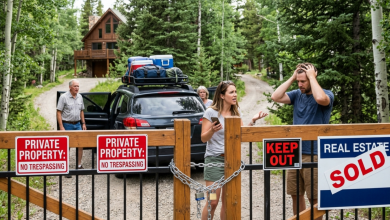
What embarrassed me later was how long I had allowed the same thing to happen in smaller ways
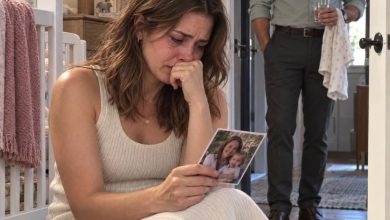
“No,” she said again.
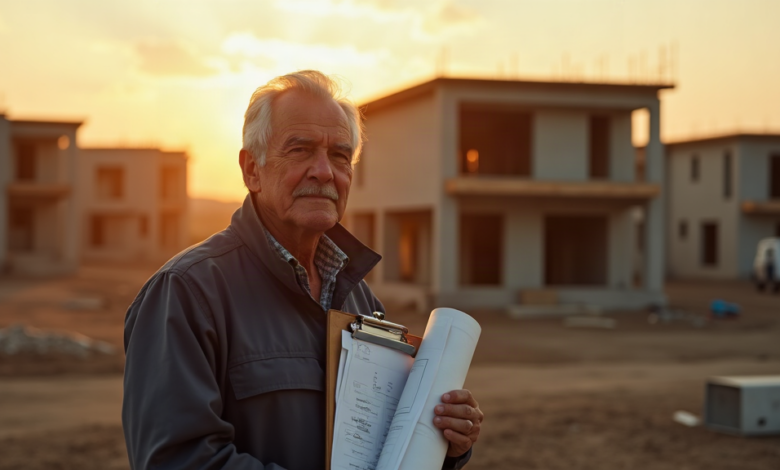
My name is Harold Foster. I was sixty-one that fall, recently retired after thirty-two years in construction management. I had spent most of my working life sorting out what people had actually agreed to do, as opposed to what somebody had decided they ought to do.
I recognized the difference on my wife’s phone.
What embarrassed me later was how long I had allowed the same thing to happen in smaller ways.
Karen and I had been married thirty-four years. She had taught second grade at Millbrook Elementary for twenty-eight of them, and she could still remember which children needed their instructions read aloud and which ones pretended not to care when they couldn’t keep up.
She was patient without being foolish. At school, she could stop an argument with a few quiet words.
With our family, she found it harder.
Our son, Derek, was thirty-four, a structural engineer, married to Melissa for two years. He lived forty minutes away, close enough that a request for help could become an afternoon, then a weekend, without anyone considering the distance much of an inconvenience.
Not to them, anyway.
I loved my son. I was proud of the life he was building.
I had also begun to notice that he found it easier to disappoint his mother than his wife.
Their wedding had been small, held in their backyard beneath strings of lights. Karen spent two evenings hemming tablecloths that arrived too long for the rented tables.
Melissa thanked her that time. She hugged her, actually, and said she didn’t know what they would have done without her.
Perhaps that was where some of it started.
Karen liked being useful. Melissa liked having things handled. Derek liked everyone getting along.
For a while, those three preferences looked enough like affection that none of us examined them closely.
Then the requests began arriving with the decisions already made.
For Melissa’s birthday that summer, Karen received a Wednesday text about dinner on Saturday.
Nothing fancy. Just family, maybe twelve people. Your pot roast would be perfect.
Karen made the roast, scalloped potatoes, a salad, and a chocolate cake because she remembered Melissa mentioning that chocolate was her favorite.
I carried everything to the car.
At their house, Melissa took the cake from Karen and said, “Oh, good. I didn’t have time to get dessert.”
After dinner, she went outside with her sister, Jenna, while Karen began packing leftovers. Derek followed me into the garage to show me a new shelving unit.
I stood there admiring brackets while my wife washed their roasting pan.
On the drive home, I complained.“You could have helped her,” Karen said.
I had no answer for that.
A few months later, Derek and Melissa asked us to keep their dog, Rufus, while they went to Cancún. They were leaving in three days.
We liked Rufus. Keeping him wasn’t the problem.
Finding out on Thursday that we were expected to be available from Sunday onward was.
When I mentioned it, Derek said, “I figured you’d tell me if it didn’t work.”
That was true enough to make the conversation uncomfortable.
We had taught them that we would object if something was too much. Then, whenever something was too much, we quietly rearranged our lives.
By November, apparently, that arrangement included a Thanksgiving dinner for twenty-five.
I took Karen’s phone and read the list again.
Two turkeys. Stuffing. Mashed potatoes. Green bean casserole. Sweet potatoes with pecans. Fresh cranberry sauce. Homemade rolls. Gravy. Corn pudding. Brussels sprouts. Pecan pie. Pumpkin pie. Apple crisp. A cheese board for people arriving early.
Melissa had specified quantities for some dishes and added notes beside others.
Fresh, not canned.
Scratch crust if possible.
Please don’t forget the good serving spoons.
There was no mention of who would buy the groceries, what the budget was, or who would help.
“What did you tell her before this?” I asked.
“That we’d be happy to come. And I said I could bring something.”
“Something.”
“I know what I said, Harold.”
I handed the phone back.
She stood looking at it, her thumb resting against the edge.
For years, Thanksgiving had been at our house. Karen liked planning it, and I liked being in the kitchen with her. I peeled potatoes, washed bowls, carried chairs up from the basement. We usually fed ten or twelve people.
Last year, Derek and Melissa had hosted for the first time. Karen brought the turkey and three sides. By the end of that afternoon, she had cooked, served, and cleaned up most of the meal while Melissa managed drinks and photographs.
When we got home, Karen sat on the edge of our bed without taking her shoes off.
This year, Melissa had apparently decided to make the arrangement official.
“I’ll call Derek,” I said.
“Let me answer first.”
Karen pulled out a chair and sat down.
She typed slowly.
That is more than I can take on. I can bring two dishes, but I can’t prepare the whole dinner. We need to divide this up.
Melissa answered before Karen had put the phone down.
Oh, Mom, you’ve done it so many times! You’re better at this than any of us. We’ll be running around getting everything else ready.
Karen read it aloud.
Then she set her phone beside the salt shaker.
“I didn’t say I didn’t know how.”
“No,” I said. “You didn’t.”
She left the message unanswered that evening. The next morning, she called Derek.
I was in the garage, sorting tools I no longer needed for work, when she came to the door.
“What did he say?”
“He said they’d talk about it.”
“Did he understand you aren’t doing it?”
“He said he understood it was a lot.”
Those were different things. We both knew it.
Two Sundays before Thanksgiving, we went to their house for pizza.
Jenna and her boyfriend, Paul, were there. Rufus kept dropping a tennis ball at my feet under the table, and Derek was explaining a problem with their backyard drainage when Karen found a pause.
“Before we leave, we need to settle Thanksgiving.”
Melissa glanced toward the kitchen island, where she had fabric samples spread beside a centerpiece she was assembling.
“What about it?”
“I can make the sweet potatoes and a pie. Jenna, would you be willing to bring a side? And the rest could be ordered, or everybody could bring something.”
Jenna opened her mouth.
Melissa answered first.
“Mom, we can’t have twenty-five people all showing up with random casseroles.”
“Then assign the dishes,” Karen said.
“It’s already getting complicated.”
“It’s a large dinner.”
Melissa smiled and reached across the table to touch Karen’s wrist.
“That’s literally what you’re good at. Don’t overthink it. It’s always beautiful when you do it.”
Karen withdrew her hand to pick up her water.
I looked at Derek.
He was folding the corner of a paper napkin.
“Your mother’s asking for help,” I said.
“I know, Dad.”
“Then answer her.”
He looked up, uncomfortable now.
“We’ll help that morning. It won’t all be on you, Mom.”
“With what?” Karen asked.
“Whatever you need.”
“Who’s cooking the turkeys?”
Nobody answered.
“Who’s making the pies? The rolls?”
Melissa let out a small breath.
“We haven’t worked out every detail.”
“That’s what I’m trying to do.”
Paul stopped reaching for another slice of pizza. Jenna looked down at her plate.
I could have made a speech. I had several sentences ready.
Karen stood instead.
“Thank you for dinner,” she said. “We should get going.”
In the car, she fastened her seat belt and sat with both hands on her purse.
“I’m not doing it,” she said.
“All right.”
“No arguing until I agree to half of it. No showing up and finding out half has become all.”
“I said all right.”
She turned toward me.
“You usually say something after that.”
I started the engine.
“I’m trying something new.”
She almost smiled.
On the drive home, she told me that Pat Callaway had invited us to Florida.
Pat and Karen had met during Karen’s first year at Millbrook. They had shared a supply closet, lunch duty, and twenty-eight years of knowing when the other needed to talk without offering advice.
Pat had retired to Sarasota four years earlier.
Her Thanksgiving plans were simple: roast chicken, a few vegetables, and whatever pie looked good at the bakery. Her daughter was spending the holiday with her husband’s family, and Pat had offered us the guest room during one of their Thursday calls.
“I told her we were going to Derek’s,” Karen said.
“Call her again.”
“You’d go?”
“Yes.”
“You don’t want to spend Thanksgiving with Derek?”
“Of course I do.”
We stopped at a red light. Across the intersection, somebody was unloading grocery bags from a minivan while a small boy tried to carry a pumpkin nearly as wide as his chest.
“I don’t want you to spend it getting through a shift,” I said.
At home, Karen called Pat.
I heard her laugh from the bedroom, an easy laugh I hadn’t heard since that list arrived.
Twenty minutes later, she came into the kitchen carrying her laptop.
“Pat says the room is ours.”
“Then let’s book it.”
We found seats on an early Thanksgiving morning flight from Columbus to Tampa, with a return on Sunday. The holiday fares made me pause, but we could afford the trip. Retirement had not made us wealthy. It had made us careful.
I looked at the total, then at Karen.
She was already reaching for her wallet.
“Use the travel card,” I said.
Afterward, she sat at the table and composed a message to both Derek and Melissa.
She read it to me before sending it.
We’ve decided to spend Thanksgiving with Pat in Florida. We leave Thursday morning and return Sunday. I won’t be cooking or bringing dishes this year. Please make other arrangements for the dinner.
“Clear enough?” she asked.
“Yes.”
She pressed send.
Derek called ten minutes later.
Karen put him on speaker and set the phone between us.
“Mom, are you serious?”
“Yes.”
“Because of dinner?”
“Because I told you what I could manage, and neither of you accepted it.”
“We said we’d help.”
“You haven’t assigned anyone anything, Derek.”
A cupboard closed on his end.
“We’ve already invited everybody.”
“You still have time to change the menu or ask people to bring food.”
He was quiet.
Then he said, “Let me talk to Mel.”
“Please do. But we’re going to Florida.”
After the call, Melissa sent a separate message.
I wish you’d told us before we planned everything around you.
Karen showed it to me.
She answered, I offered to bring something. I never agreed to cook the dinner.
Melissa didn’t reply.
For a day, neither did Derek.
That silence troubled Karen more than any argument would have.
She kept her phone near her while she folded laundry. When it lit up with an advertisement from a department store, she picked it up too quickly, then put it down.
“Call him if you want,” I said.
“And say what?”
“I don’t know.”
“Neither do I.”
Eight days before Thanksgiving, Melissa sent another message about rolls.
Still homemade, please. Store-bought always tastes like cardboard lol.
Karen stared at it.
Then she typed, Melissa, I’m not making rolls. We are going to Florida, as I told you and Derek on Sunday.
This time, the response came as a phone call.
Karen answered in the kitchen. I was at the table paying the electric bill, close enough to hear her side.
“No, I’m not angry that you’re hosting.”
A pause.
“I didn’t ask you to cancel.”
Another pause, longer.
“Then you need to tell the guests what to bring.”
Karen walked to the window.
When she spoke again, her voice had lost its apologetic edge.
“I understand you want it to be nice. That doesn’t mean I have to do it.”
After she hung up, she told me that Greg Whitman and his wife, Sandra, were coming.
Greg was Derek’s supervisor.
Two other couples from the firm were invited, too.
I knew Greg’s name. I had met him once at a company picnic, where he and Derek spent most of a hamburger discussing a drainage problem on a project neither could leave alone.
“I thought this was the family,” I said.
“It is. And friends. And people from work.”
“Does Derek want all those people there?”
“He agreed to invite them.”
Karen leaned against the counter.
“Melissa said she’d already told Sandra I make everything from scratch.”
There it was.
Not a conspiracy. Nothing grand enough to deserve the word.
Melissa had described a holiday she wanted to host and assigned Karen the work necessary to produce it.
Derek had let her.
I asked whether Karen wanted me to speak to him.
She thought about it.
“Tell him what you think,” she said. “Just don’t turn it into you defending me while I stand behind you.”
“I won’t.”
“And don’t offer to come over and help them instead.”
That one caught me.
She knew me well.
Six days before Thanksgiving, I called Derek.
He answered from his car. I could hear the turn signal clicking.
“Have you ordered dinner?” I asked.
“Not yet.”
“Why?”
“We’re looking at options.”
“Your mother told you more than a week before the holiday. You need to choose one.”
He stopped somewhere. The clicking ceased.
“Dad, I think this has gotten bigger than it needs to be.”
“Then make it smaller. Buy a meal. Ask everybody to bring a dish.”
“Mel really wanted Mom’s cooking.”
“Your mother really wanted someone to listen.”
He breathed into the phone.
“I thought she’d cool off.”
“She wasn’t having a tantrum, Derek.”
“I didn’t mean that.”
“But you decided her answer didn’t count yet.”
He said nothing.
I stood in our laundry room looking at a basket of clean towels.
I remembered him at twelve, promising to take out the garbage, then waiting until Karen did it because she couldn’t stand the smell.
I had laughed about that once.
I wasn’t laughing now.
“She’s not cooking your dinner,” I said. “We’re taking the trip. Make your plans.”
“Okay.”
“Do you understand?”
“Yes, Dad.”
I wanted to believe that settled it.
When I told Karen, she nodded but didn’t look relieved.
“What?” I asked.
“He understands you mean it,” she said. “I’m not sure he believes I do.”
Over the next few days, we packed.
Karen checked the weather in Sarasota and put a cardigan over the clothes in her suitcase. I found my sunglasses in the glove compartment of the truck.
Ordinary preparations. Still, every item seemed to require Karen to make the decision again.
She held a pair of sandals above the suitcase.
“Twenty-five people,” she said.
“They have hosts.”
“I know.”
She put the sandals in.
On Tuesday evening, Derek sent a message saying he could pick us up at seven on Thanksgiving morning.
Mel says we can simplify. You wouldn’t need to start at five.
I read it twice.
Karen didn’t need to.
We won’t be home. Our flight leaves early. Please stop making plans that depend on us changing our minds.
Derek answered, I’m trying to find a compromise.
I’m not negotiating a smaller cooking assignment. I’m telling you we have other plans.
She placed her phone on the counter and went upstairs.
I stayed in the kitchen.
My navy apron hung inside the pantry door. I wore it on Saturdays when I made Dutch apple pancakes, and on holidays when Karen gave me jobs she trusted me to finish.
I used to joke that she ran the kitchen and I was the hired help.
It wasn’t as funny to me that evening.
I had stood beside her for many Thanksgiving dinners. I had also drifted toward a football game while she found containers for leftovers and wiped gravy off the stove.
Being better than the least helpful person in the family wasn’t much of an accomplishment.
When she came downstairs, I was washing the breakfast pans we had left in the sink.
“You don’t have to look so serious about it,” she said.
“I’m trying to work out where this started.”
She took a clean towel from the drawer.
“We don’t have to solve thirty years tonight.”
“No.”
She dried the smaller pan and put it away.
“But we can stop adding to it.”
Wednesday afternoon, Karen checked us in for the flight and printed our boarding passes.
Then she wrote Derek a note.
He had a spare key to our house. He also had an unfortunate habit of treating an unanswered message as a reason to come over and ask the same question in person.
Karen expected him to try.
She left the note in the center of our kitchen table, weighted with her orange juice glass.
Derek,
We love you. We told you we couldn’t take on the dinner, and we told you about Florida. We have not changed our plans.
We’ll be home Sunday. Please take care of your guests.
Mom and Dad.
She read it once more before putting down the glass.
“Should I add Pat’s number?”
“He has both of ours.”
“I know.”
She straightened the paper anyway.
That night, Derek called again.
Karen answered.
I could hear him speaking, though not every word.
“No,” she said.
Then, “Because I’ve already answered.”
She closed her eyes briefly.
“I love you, too. Good night.”
When she came to bed, she lay awake beside me.
After a while, she said, “I don’t think I’ve ever disappointed him on purpose.”
“You aren’t doing this to disappoint him.”
“He’ll be disappointed.”
“Yes.”
She reached for my hand under the covers.
Neither of us slept particularly well.
Our ride arrived just before four the next morning.
I locked the front door while Karen checked her purse for the boarding passes she had already checked twice.
The driver had the heat on and a low radio playing. We passed dark houses, a gas station, then a bakery with lights on in the back.
Karen watched through the window.
At the airport, families were gathered around suitcases and coats. A little girl in pajamas slept across two seats near our gate while her father guarded a cardboard carrier of coffee.
Karen sat beside me with her cardigan folded over her lap.
“Still time to have second thoughts,” I said.
“I’ve had enough of those.”
When our group boarded, she handed over her pass without hesitation.
We took our seats. She had the window.
At seven, while we were in the air, Derek called.
Then he called again.
Our phones were on airplane mode. We saw the missed calls after we landed in Tampa.
There were messages from Melissa, too, and one from Jenna.
Karen read Derek’s first text.
I’m at your house.
The next said, Found the note. Call me.
She held the phone for a moment, then typed back.
We’ve landed safely. We are spending today with Pat. We can talk later.
I sent Derek a message of my own.
This is not an emergency we can fix from Florida. You and Melissa need to handle the dinner.
He answered with one word.
Understood.
Pat was waiting near baggage claim with two coffees balanced in a cardboard tray.
She hugged Karen carefully around the cups.
“You made it.”
Karen held on longer than she usually did.
Pat looked over her shoulder at me.
“Was she trouble?”
“Not nearly enough.”
That got the first proper laugh of the morning.
On the drive to Sarasota, Pat talked about road construction and a neighbor who had begun feeding an egret despite everyone asking him not to.
She didn’t ask for the latest messages.
She knew why we had come. She also knew Karen didn’t need to spend the entire visit explaining herself.
By the time we reached Pat’s house, the morning had warmed enough to sit outside.
Her little white house faced an inlet. Bougainvillea climbed near the mailbox, and a gray cat named Murray watched our suitcases pass with mild disapproval.
On the porch, Karen slipped off her shoes.
Pat brought out toast.
“Lunch will be late,” she said. “Dinner will be when the chicken’s done. Nobody has to dress.”
Karen took a piece of toast.
“That sounds organized.”
“I’ve been planning for minutes.”
My wife laughed with her mouth full and covered it with a napkin.
I hadn’t realized how much I wanted to hear that.
What happened in Ohio came to us afterward, mostly from Derek, with a few details Jenna supplied when she called Karen the following week.
At seven, Derek had driven to our house.
He later admitted he had expected to find us dressed, irritated, and waiting to be persuaded.
He rang the bell. When nobody answered, he used his key.
Our house was dark except for the light over the stove.
He found the note on the table.
“I read it twice,” he told us. “Then I walked upstairs.”
He checked our bedroom.
The bed was made. The suitcases were gone.
Only then did he accept that we had left.
He called from our kitchen, stood there listening to voicemail, and finally took a photograph of the note to send Melissa.
She called him immediately.
According to Derek, her first question was whether he could get us to come back.
“We were already on a plane,” he told me. “I knew that. I still stood there wondering what to say.”
He went home.
The flowers had been delivered the day before. Two borrowed folding tables were set up beside their dining table. Melissa had arranged candles, place cards, and cream-colored napkins.
There were no turkeys.
Karen hadn’t bought any. She had told them she wasn’t cooking.
Melissa had assumed Derek would talk her around. Derek had assumed that, if his mother refused to make the whole dinner, she would at least turn up with the most important parts.
Neither had placed an order.
They had discussed doing it. They had sent each other links.
Then each had waited for the other to make a decision.
At a little after eight, they called Jenna.
She arrived with Paul and asked where the food was.
Melissa pointed at her phone.
“Your mother-in-law told you she wasn’t doing it,” Jenna said.
“I know what she said.”
Jenna told Karen later that she nearly answered that, then decided there were twenty-three other people who would need something to eat whether Melissa was wrong or not.
She started calling restaurants.
Paul checked which grocery stores were open.
Derek found a holiday meal package online, got as far as the order screen, and discovered it required advance notice.
Another place could seat four at eight that evening.
That did not solve their problem.
They could have canceled. They could have called the guests and asked for help.
Instead, Melissa kept saying they could still pull it together.
Derek went to a grocery store Paul had confirmed was open. He bought the cooked chickens available at the deli, a ham, potatoes that needed only heating, rolls, vegetables, cheese, crackers, and bakery pies.
It cost more than he expected.
It was still less than a last-minute catered meal, if they had been able to find one.
There was enough food.
That matters.
Nobody went hungry because my wife went to Florida.
What disappeared was the elaborate homemade dinner Melissa had promised without arranging for anyone willing to make it.
Jenna and Paul stayed. They heated food, found serving dishes, and cleared space in a kitchen crowded with decorations.
Derek took off his sweater and began carrying chairs.
Melissa tried to make the green bean casserole herself. She scorched the topping while answering the door, scraped it off, and added a fresh layer.
Jenna said it tasted fine.
The first guests arrived at one-thirty.
Greg and Sandra came fifteen minutes later with wine and a small box of chocolates.
Sandra asked whether she could put something in the refrigerator.
Melissa said everything was under control.
It wasn’t, quite.
The rolls were still waiting for oven space. The ham needed slicing. Nobody had thought about keeping the potatoes hot while the vegetables heated.
Derek spent most of the next hour going between the kitchen and the folding tables, answering questions Karen usually answered before anyone knew to ask them.
Where were the extra forks?
Was there another serving spoon?
Could somebody get Rufus away from the cheese?
At three, they began putting food out.
The meal looked different from the one Melissa had described, but the guests took plates and helped themselves.
Greg asked Derek whether he wanted a hand with the ham.
Sandra complimented the flowers.
Then she asked where we were.
Melissa said, “They couldn’t make it at the last minute. Karen was supposed to handle the food.”
Derek was carrying a bowl of potatoes when he heard her.
He put it on the table.
“They’re visiting a friend in Florida,” he said.
“Oh,” Sandra said. “How nice.”
Melissa added, “There was a misunderstanding.”
Derek didn’t tell the whole table what had happened. He didn’t need to.
But when Sandra said she hoped we were having a good trip, he answered, “They are. We should have planned this better.”
It was a small correction.
For him, in that room, it was a difficult one.
In Sarasota, Pat asked whether we wanted to walk before dinner.
Karen left her phone charging in the guest room.
We went along the street toward the water, passing houses with open garages and the smell of food drifting through screened doors.
Pat pointed out a house she had considered buying before choosing hers.
“Too much yard,” she said. “I’m retired. I don’t want to retire into mowing.”
Karen told her about a container gardening class at our community center.
“The Tuesday one?” I asked.
She looked at me.
“You remembered?”
“You’ve had the brochure on the refrigerator for six months.”
“I kept thinking I’d sign up after things settled down.”
Pat stopped to adjust her sandal.
“January classes fill early,” she said. “Do it when we get back.”
Karen glanced toward the inlet.
“I might.”
We ate on the porch a little after three.
Pat’s chicken was roasted with lemon and garlic. There were mashed potatoes, green beans, and a pie from a bakery she liked.
I carried dishes out. Karen reached for the serving spoon.
Pat took it first.
“You can pass the bread.”
“That’s my assignment?”
“For now. Don’t make me promote you.”
Karen passed the basket.
Halfway through dinner, her phone rang inside.
She ignored it.
Then mine rang in my pocket.
I checked the screen.
Derek.
I let it stop.
A moment later, Karen got up.
“I’m going to see who called.”
She returned with her phone and stood beside her chair.
“Melissa.”
“You don’t have to answer,” I said.
“I know.”
She sat and returned the call.
I could hear Melissa’s voice without making out every word. She was speaking quickly.
Karen rested her free hand beside her plate.
“Yes, we’re at Pat’s.”
A pause.
“I told you we were coming.”
Melissa said something longer.
Karen looked at the water.
“You knew we weren’t cooking. We talked about it more than once.”
Her voice stayed level, though her fingers had begun working a corner of her napkin.
Then she said, “I’m sorry the day has been difficult. I’m not sorry we took our trip.”
Melissa’s next words carried clearly.
“It was embarrassing.”
Karen waited.
When she answered, she spoke more softly.
“Then we need to talk about how it happened when we’re all less upset.”
Another pause.
“No. I’m having dinner now.”
She ended the call and placed the phone facedown.
Pat pushed the potatoes toward her.
“Still warm.”
Karen served herself another spoonful.
A few minutes later, Derek called me.
I stepped to the far end of the porch.
For a moment, I heard a door close and wind moving over his microphone.
“Dad?”
“I’m here.”
“I’m sorry.”
I waited.
“I kept thinking Mom wouldn’t actually go.”
“She told you she would.”
“I know.”
He sounded tired. He also sounded like he had stopped looking for a better explanation.
“Every time she said no, I thought about what would make her say yes. I never got past that.”
I looked back at the table.
Karen was listening to Pat, one hand around her glass.
“You need to tell her that.”
“I will.”
“How’s the dinner?”
“We have food.”
“Good.”
“It’s not what we planned.”
I nearly corrected him. They had planned very little of what mattered.
He got there himself.
“What Mel pictured,” he said. “I guess that’s different.”
“Yes.”
He was quiet for a few seconds.
“Is Mom having a nice time?”
“She is.”
“Good.”
“Go take care of your guests, Derek. We’ll talk when we’re home.”
After I sat down, Karen watched my face.
“He apologized,” I said.
She nodded.
“Eat your chicken before Harold asks for the rest,” Pat told her.
“I wasn’t going to.”
“You were looking at it.”
“I’m allowed to look.”
Karen laughed, then reached for her fork.
Derek told us later that people stayed until late afternoon.
Greg helped fold one of the extra tables before leaving. Sandra asked Melissa where she had bought the flowers.
There was no dramatic professional fallout. Derek’s next conversation with Greg concerned a project deadline.
I was glad of that.
He needed to understand how he had treated his mother. Losing standing at work would have given him something else to blame and something easier to discuss.
After the last guests left, Jenna and Paul packed leftovers while Derek washed dishes.
Melissa stood at the kitchen island looking at the unused place cards with our names on them.
“She could have helped a little,” she said.
Derek turned off the faucet.
“She offered. We told her it wasn’t enough.”
Melissa didn’t answer.
He went back to washing.
It was the first time, he told us, that he had cleaned up after hosting that many people.
He kept finding more work after he thought he was finished.
The roasting dishes. The floor under the folding tables. The trash bag leaking near the back door.
At our house, those things had usually been done before he put on his coat.
On Friday, Karen sent him a photograph of Murray occupying my chair.
Derek replied, Looks like he’s in charge.
Karen wrote, He asks less of us.
She showed me the exchange, worried for a moment that she had been unkind.
Then another message arrived.
Fair.
She put down her phone.
We spent Saturday at a botanical garden Pat liked. Karen bought a small packet of seeds and read the instructions twice, although she knew she would have to wait months to use them at home.
That evening, she signed up for the gardening class.
She didn’t announce it.
I noticed the confirmation on her laptop while I was looking for our return-flight information.
“Tuesday mornings,” she said.
“I’ll try to survive.”
“You can make your own lunch.”
“I’ve heard it can be done.”
We flew home Sunday afternoon.
Columbus was cold and drizzling. By the time our ride turned onto our street, I was glad I had put my heavier coat where I could reach it.
Derek’s car was at the curb.
He had texted while we were waiting for our bags.
Can I come by after you get home? Just me. I’d like to talk.
Karen had answered, Yes.
He was standing beneath the porch roof when we pulled up.
He came down the steps and took Karen’s suitcase.
“How was the flight?”
“Fine,” she said.
He looked as though he had rehearsed something and lost it at the sight of her.
“Hi, Mom.”
“Hi, sweetheart.”
Inside, I put the kettle on.
The note was still on our table beneath the juice glass. Derek must have put it back after photographing it.
Karen lifted the glass and folded the paper.
Derek watched her.
“I knew you meant it,” he said. “I just thought I could get you to change your mind.”
She sat down.
“Why?”
He pulled out a chair.
“Because it would solve everything.”
“For whom?”
He looked at the table.
“For us.”
Karen waited.
I set three mugs beside the kettle.
Derek rubbed his palms along his jeans.
“Melissa was excited about having Greg and everyone over. I wanted it to go well. Every time you brought up the work, I thought you were asking me to make you feel better about it.”
“I was asking you to reduce it.”
“I know that now.”
“You knew it then, too.”
He nodded.
“Yes.”
That answer helped more than an elaborate apology would have.
He looked at me.
“You told me. I still kept calling.”
“I should have spoken up earlier,” I said. “Long before Thanksgiving.”
Karen turned toward me.
I kept going.
“I saw what was happening at the birthday dinner. I left you washing dishes while I went to look at shelves. Then I complained about everybody else on the drive home.”
Derek looked surprised.
Karen didn’t.
“You’re both very good at noticing afterward,” she said.
I brought the tea to the table.
Nobody argued with her.
Derek apologized for assuming her time was available, for ignoring the first refusal, and for treating the trip as a threat she would eventually withdraw.
He stumbled over parts of it.
Karen let him finish.
Then she said, “I like helping you. I don’t want to become afraid of offering because you’ll decide I’ve offered everything.”
“I don’t want that either.”
“Then when I say what I can do, believe me.”
“I will.”
“And if I say no, don’t ask your father to change my mind.”
He gave a brief, embarrassed nod.
We sat for a while after that.
Karen asked about Rufus. Derek asked whether Pat liked having company or was relieved we had gone home.
“Both,” I said.
That made him smile.
When he left, he hugged Karen in the hallway.
She held him, then stepped back and straightened the collar of his coat.
The habit was so familiar it made my throat ache.
She loved him exactly as much as she had before.
She had simply stopped agreeing to everything he wanted.
Melissa called the next evening.
I answered the house phone.
“I’d like to speak to Karen.”
I handed it over without asking what she intended to say.
Karen took the call in the living room. I stayed in the kitchen.
When she returned, she began putting clean cups into the cabinet.
“How did it go?”
“She said we hurt her feelings.”
“What did you say?”
“That being spoken to as if I was staff hurt mine.”
“And?”
“She said that wasn’t how she meant it.”
Karen closed the cabinet.
“I told her I was willing to believe that. I still needed it to stop.”
There was no reconciliation that evening.
Melissa thought we should have helped despite saying we wouldn’t. Karen thought saying she wouldn’t should have ended the discussion.
They finished the call without resolving that difference.
Two days later, Melissa called again.
This time she asked about Florida first.
Karen told her about Pat’s cat, the garden, and the neighbor’s egret.
Then Melissa said she had been worried about the dinner because she wanted Greg and Sandra to feel welcome. She had seen how easily Karen handled holidays and assumed the larger meal would be manageable.
Karen told me this afterward while we put away groceries.
“I said it looked easy because I did most of the work before anybody arrived.”
“What did she say?”
“That she hadn’t thought about that.”
Karen set a carton of eggs in the refrigerator.
“She also said she should have asked.”
It wasn’t a complete apology. There were still explanations attached, and a complaint about the timing of the trip.
Karen hadn’t accepted every explanation.
She had thanked Melissa for calling.
That was where they left it.
Over the following month, the change was uneven.
Derek called more often, sometimes to ask a question, sometimes simply to talk. Once, he began a request with, “You guys don’t have anything going on Saturday, do you?”
Then he stopped himself.
“Sorry. Are you available?”
We weren’t.
Karen had plans with a friend. I was helping a neighbor repair a gate.
Derek said he would work something out.
He did.
Melissa invited us for dinner in January. Her message included a time, a menu, and one question.
Would you like to bring dessert? Completely fine if not.
Karen read it to me.
“What are you making?”
“I haven’t decided whether I’m bringing anything.”
I looked up from the newspaper.
“Right.”
She brought a pie from the grocery-store bakery.
Nobody complained.
After dinner, Derek cleared the plates. Melissa asked where the pie came from because Paul wanted another one for his birthday.
Karen told her.
The evening was pleasant. Not perfect. At one point, Melissa started describing a project she wanted Karen to help with, then caught herself and asked whether she had time.
Karen said she would look at her calendar.
That was enough progress for one evening.
In early December, before those small changes had become a pattern, Karen found an old photograph while sorting the hall closet.
It was Thanksgiving at our house, years before Derek met Melissa.
Karen stood at the stove. I was behind her, holding a wooden spoon she was apparently trying to take away from me. We were both laughing.
Derek must have taken the picture. The corner of his thumb covered part of the lens.
“I remember that,” she said.
“What was so funny?”
“You put cinnamon in the gravy.”
I looked at the photograph.
“That was never proven.”
“The jar was in your hand.”
“It looked like paprika.”
She laughed again.
We found a small frame and set the picture on a kitchen shelf.
A few days later, on Saturday morning, I put on my navy apron and made apple pancakes.
Karen sat at the counter with her coffee and a seed catalog spread open beside her.
I asked whether she wanted to invite Derek over.
She looked up.
“Do you?”
“Not particularly. I was just asking.”
“Then let’s eat.”
I put two plates on the counter.
Outside, the lawn was stiff with frost. The furnace came on, and Karen pulled the sleeves of her sweater over her wrists.
We ate while she showed me which plants she hoped to grow.
Afterward, she started to gather the plates.
“I’ve got those,” I said.
She looked at the sink, then back at the catalog.
“All right.”
She left her plate where it was.
I washed the pan, wiped the stove, and put the flour away.