the ground beef debate
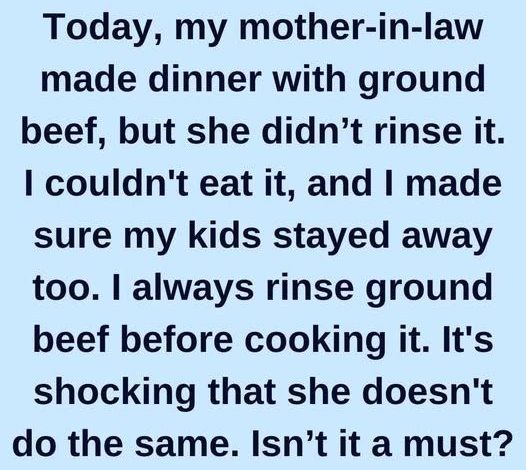
Ground beef sits at the center of countless family meals. It shows up in Tuesday night tacos, weekend spaghetti, comforting casseroles, and quick skillet dinners when time is tight. Because it’s so common, many home cooks develop strong opinions about how it should be handled. One of the most surprisingly heated debates is whether cooked ground beef should be rinsed.
Mention rinsing beef in a group of cooks, and you’ll likely spark a full-blown kitchen argument. Some swear by it, claiming it removes excess grease and makes meals healthier. Others insist it ruins flavor and creates unnecessary food safety risks. So which side is right?
The answer lies in understanding what rinsing actually does—and what it doesn’t.
People who rinse cooked ground beef are usually trying to solve one problem: visible fat. When you cook higher-fat blends like 80/20, a noticeable amount of grease melts out into the pan. For some, that pool of fat looks unappealing, especially if they’re trying to eat lighter. Rinsing seems like a quick fix. Dump the beef into a colander, run hot water over it, and the grease disappears.
From a purely mechanical standpoint, this does remove some fat. But it also removes far more than most people realize.
That rich, savory flavor we associate with well-cooked ground beef doesn’t come from the meat alone. It comes from browning. As beef cooks, its natural sugars and proteins react under heat in a process known as the Maillard reaction. This reaction creates those deep, meaty aromas and browned bits that cling to the pan, often called fond. That fond is flavor in its most concentrated form.
When you rinse cooked beef, you wash away not only surface fat, but also seasoning, moisture, and those flavorful compounds. What remains often looks pale and tastes bland. The texture can turn crumbly or dry, especially once the meat is reheated in a sauce or filling. The result may look “cleaner,” but it rarely tastes better.
There’s also a food safety concern that many people overlook. Even when beef is fully cooked, rinsing it under running water can splash tiny droplets around the sink, countertops, and nearby utensils. If the meat wasn’t fully cooked yet, the risk increases. Instead of making your kitchen safer, rinsing can actually spread bacteria to surfaces you may not immediately sanitize.
Food safety experts consistently advise against rinsing meat, whether raw or cooked. Proper cooking is what makes ground beef safe to eat. When beef reaches an internal temperature of 160°F (71°C), harmful bacteria are destroyed. Water doesn’t add protection—it just creates mess and risk.
So what should you do if your beef feels too greasy?
The best solution is simple and doesn’t involve water at all. After cooking, tilt the pan and spoon off the excess fat into a heatproof container. Once the grease cools and solidifies, discard it in the trash rather than pouring it down the drain. Another option is to transfer the beef to a metal colander and let gravity do the work. This removes excess fat without stripping flavor.
If you want to go a step further, gently blot the cooked beef with paper towels. This absorbs surface grease while leaving the seasoning and structure intact. For many dishes, this strikes the perfect balance between richness and lightness.
An even better strategy starts before the pan ever heats up. Choosing leaner blends like 90/10 or 93/7 significantly reduces the amount of fat released during cooking. You’ll still get flavor, but with less grease to manage later. Cooking over slightly higher heat and avoiding overcrowding the pan also helps the beef brown properly instead of steaming in its own juices.
In the end, rinsing ground beef doesn’t make it safer, and it doesn’t magically transform it into a health food. What it does is remove flavor, nutrients, and the very qualities that make ground beef satisfying. Good cooking isn’t about washing food until it looks different. It’s about understanding how heat, fat, and technique work together.
When handled properly, ground beef doesn’t need to be rinsed to be enjoyed. Cook it thoroughly, drain it wisely, and let its natural flavor shine. Because the best meals aren’t built on shortcuts—they’re built on knowing when to leave well enough alone.
Disclaimer:
All stories published on this website are for entertainment and storytelling purposes only. They do not have an identified author and are not claimed to be based on real events or people. Any resemblance to actual persons or events is purely coincidental.