8 Reasons To Leave This Weed Growing
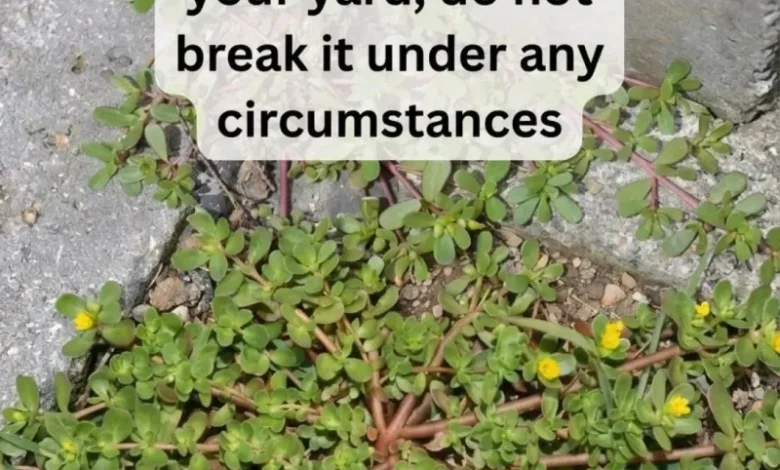
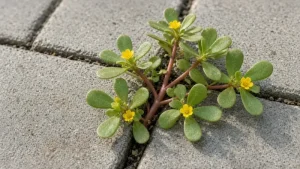
You’ve probably met this little plant before, even if you never learned its name. It pops up in sidewalk cracks, between patio stones, along the edge of the driveway and in the sunny corners of the vegetable bed. It has chubby little leaves, reddish stems, and it spreads out flat like it owns the place.
Most of us yank it out without a second thought. But before you reach for the weed puller again, meet purslane (Portulaca oleracea). This “weed” is actually eaten as a leafy green in many parts of the world, and it brings some pretty impressive nutrition to the table.
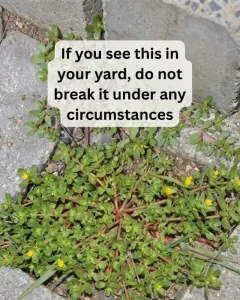
“If you see this in your yard, do not break it under any circumstances.” That’s purslane, and it really is worth a second look. (Image: shared on social media)
What Is Purslane?
Purslane is a low-growing succulent that loves heat, sunshine and poor soil. It’s found on nearly every continent, and it’s been eaten for centuries in places like Mexico (where it’s called verdolagas), Greece, Turkey, the Middle East and India.
Gardeners in North America often treat it as a pest, but cooks in other countries happily toss it into salads, soups, stews and egg dishes.
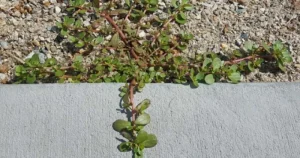
Purslane often shows up where you least expect it, like the gap between a sidewalk and the curb. (Image: Homemaking.com)
It has a mild, slightly lemony, slightly salty taste and a juicy crunch, a bit like a cross between spinach and a cucumber skin. Kids are often surprised that a weed from the yard can taste this good.
8 Reasons to Leave This Weed Growing
1. It’s full of antioxidants
Purslane contains antioxidants such as vitamin C, vitamin E, beta-carotene and plant compounds called betalains (the same pigment family that gives beets their color). Antioxidants help protect your cells from everyday wear and tear. And unlike some “superfoods,” this one grows for free right outside your door.

2. It brings vitamins and minerals
For such a tiny plant, purslane packs in a nice mix of nutrients. It’s a source of vitamin A and vitamin C, plus minerals like magnesium, potassium, calcium and iron.
A handful of fresh leaves can add color, crunch and a nutrition boost to an ordinary salad.

3. It’s a plant source of omega-3 fatty acids
This is purslane’s biggest claim to fame. It’s one of the richest leafy-green sources of alpha-linolenic acid (ALA), a plant-based omega-3 fatty acid. Omega-3s are linked with heart and brain health. Keep in mind that the omega-3s in plants work a little differently than the kind in fish, so purslane is a nice bonus rather than a replacement for a balanced diet.

4. It may help support healthy cholesterol
Some small studies have looked at whether eating purslane or its seeds may help improve cholesterol levels in certain people. The results are interesting, but the research is still limited, so think of purslane as one healthy piece of a heart-friendly diet, not a cure.
If you’re managing cholesterol, keep following your doctor’s advice.

5. A fresh snack when you’ve had too much coffee?
The original article we read suggested munching on purslane leaves to ease coffee jitters or caffeine withdrawal. Honestly, there’s no solid science behind that one. What we can say is that swapping your third cup of coffee for a big glass of water and a crunchy green snack is a pretty nice habit, purslane or not.

6. It contains melatonin
Here’s a fun one: researchers have found melatonin in purslane leaves. Melatonin is the hormone your body uses to manage its sleep-wake cycle.
Eating purslane isn’t going to knock you out like a sleep aid, but it’s neat to know that this little weed carries a bit of the “sleepy” molecule.

7. Magnesium for everyday wellness
Purslane is a source of magnesium, a mineral that helps your muscles and nerves work properly. Low magnesium is sometimes linked to headaches, which is why the original article suggested purslane for headache relief. It’s a nice idea, but eating purslane isn’t a proven headache treatment. If headaches are frequent or severe, please talk to a doctor.

8. It’s easy, free food that’s great in sandwiches
Purslane also contains tryptophan, an amino acid your body uses to make serotonin. But the best everyday reason to love it is simple: it’s free, it grows itself, and it tastes good.
Tuck a few sprigs into a sandwich or wrap instead of lettuce for a juicy, lemony crunch.

How to Identify Purslane (and Avoid Its Toxic Look-Alike)
Before you eat anything from your yard, you need to be 100% sure what it is. Purslane has a sneaky look-alike: spurge (such as spotted spurge). Spurge grows in the same places, hugs the ground the same way, and is toxic. Here’s how to tell them apart:
- Stems: Purslane stems are thick, smooth, juicy and often reddish. Spurge stems are thin, wiry and thread-like.
- Leaves: Purslane leaves are fleshy, rounded and paddle-shaped, like tiny jade plant leaves. Spurge leaves are small, flat and thin, and spotted spurge often has a dark reddish spot in the middle of each leaf.
- Sap: This is the easiest test. Snap a stem. Purslane has clear, watery juice. Spurge oozes a milky white sap that can irritate skin and eyes. If you see milky sap, do not eat it.
- Flowers: Purslane has tiny yellow flowers with five petals that open in the sun.

If you’re ever unsure, leave it alone or ask a local gardening expert or extension office to check it for you.
How to Harvest and Enjoy Purslane
Once you’re sure you’ve got real purslane, enjoying it is easy:
- Pick from clean spots. Skip plants growing along busy roads, near dog walking areas, or anywhere that’s been sprayed with weed killer or other chemicals.
- Snip, don’t pull. Cut the tender tips and leave the roots, and it will keep growing back all summer.
- Wash well. Rinse it in cool water to remove dirt and tiny bugs.
- Eat it raw or cooked. Add it to salads, sandwiches, tacos, scrambled eggs, soups or stir-fries. Its thick leaves help thicken soups and stews, too.

One small caution
Like spinach, purslane contains oxalates. For most people that’s no problem in normal amounts, but if you’ve had kidney stones or have been told to watch oxalates, check with your doctor before adding lots of purslane to your diet. Cooking can lower the oxalate content a bit.
Easy Ways to Eat Purslane
Not sure where to start? Here are a few simple ideas that let purslane’s lemony crunch shine:
- Summer salad: Toss purslane with tomatoes, cucumber, red onion, a squeeze of lemon and a drizzle of olive oil.
- Scrambled eggs: Stir a handful of chopped purslane into eggs at the end of cooking, just like you would with spinach.
- Tacos: Sauté purslane with onion, garlic and a little chili, the way it’s often enjoyed in Mexico, and pile it into warm tortillas.
- Yogurt dip: Mix chopped purslane with plain yogurt, garlic and a pinch of salt for a cool, crunchy dip.
So, Should You Really Leave It Growing?
If it’s growing in a spot that’s not in your way, why not? Purslane is drought-tolerant, it covers bare soil, it feeds pollinators with its little yellow flowers, and it’s a tasty, free green you can pick all summer long. It might just be the most useful “weed” in your yard.
Next time you spot those chubby leaves popping up between the patio stones, give the plant a nod instead of a yank. Your salad bowl might thank you.
Thanks for reading and happy foraging! This article is for general information and entertainment only and isn’t medical advice. Always be completely sure of a plant’s identity before eating it, and check with your doctor about any health concerns.