The Real Reason Your Hand Veins Are So Visible (and When to Call a Doctor)
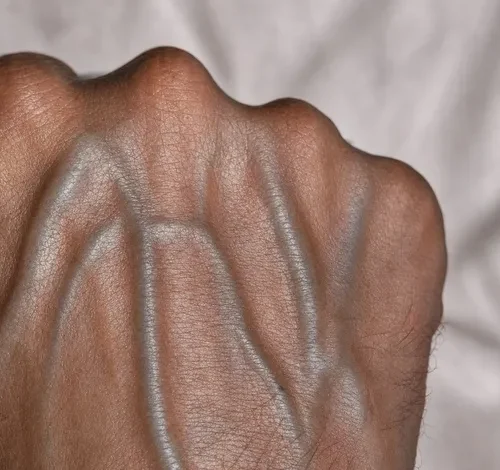
You glance down at your hands and there they are: blue-green lines tracing across the skin more clearly than you remember. Maybe it happened after a workout, a hot afternoon, a stretch of weight loss, or simply another birthday. For most people, visible hand veins have a simple explanation rooted in ordinary biology, not in a hidden disease.
Veins in the hands sit close to the surface, so they are easier to notice than vessels deeper in the body. When they stand out, it is usually because the skin in front of them has thinned, the padding under the skin has decreased, or the veins themselves have widened for a while. That can look dramatic. It is still, in typical cases, a normal change.

The Everyday Reasons Hand Veins Stand Out
Several ordinary factors can make veins in the hands easier to see, and they often stack on top of one another.
Aging and thinner skin
As the years add up, skin loses some of its collagen and elasticity. The soft layer beneath it can thin as well, especially on the backs of the hands.
With less cover, the same veins that were always there simply become easier to see. This is one of the most common reasons people first notice “new” hand veins in midlife and beyond.

Low body fat, weight loss, and genetics
People with less fat under the skin, or those who have lost a fair amount of weight, often see veins more clearly on the hands and arms. There is less padding between the vessel and the surface. Family traits matter too. If close relatives have prominent hand veins, there is a good chance you will as well. Skin tone can also affect how obvious the color looks, even when the veins themselves are similar.
Exercise and muscle work
During physical effort, blood flow rises and working muscles swell slightly, which can press superficial veins closer to the skin. Strength training is a classic example: after a set of lifts, veins in the hands and forearms can look temporarily bolder.
For people who train often and carry less body fat, that “vascular” look can linger more of the time. It is usually a sign of blood moving and muscles working, not of a damaged vein.

Heat and warm weather
When you are hot, blood vessels near the skin widen so heat can leave the body. That process, called vasodilation, can make hand veins look larger and closer to the surface. A warm kitchen, a summer afternoon, or a hot shower can all do it. Once you cool down, the veins often soften again.

Hydration and short-term shifts
How much fluid is in your system can change how full veins look, and so can short-term changes in blood flow. These shifts are usually temporary.
Drinking enough water is a healthy habit for many reasons; it is not a miracle treatment for the appearance of hand veins, and very visible veins are not, by themselves, a reliable test of whether you are dehydrated.

When Vein Changes Deserve a Doctor’s Attention
Visible hand veins that have been present for a long time, without pain, swelling, or other new symptoms, are usually harmless. The time to pay closer attention is when the picture suddenly changes, or when other warning signs appear.
Chronic venous insufficiency happens when vein valves do not move blood back toward the heart as well as they should, so blood can pool. This condition mostly affects the legs, not the hands. It can lead to enlarged veins, swelling, aching, a heavy feeling, and skin changes.
Varicose veins, which look swollen, twisted, or raised, are also far more common in the legs. They are often a cosmetic concern, but they can cause discomfort and should be checked if they hurt or worsen.
A more urgent problem is deep vein thrombosis (DVT), a blood clot in a deep vein, usually in a leg. Signs can include sudden swelling, pain, redness, or warmth in one limb. That needs prompt medical care, because a clot can travel to the lungs. DVT in an arm is less common but possible, especially after a central line, some types of intense effort, or certain medical conditions. Visible hand veins by themselves are not a dependable sign of DVT, heart failure, or peripheral artery disease. Doctors look at the whole picture: unusual swelling (especially on one side), pain, color changes, shortness of breath, chest pain, or unusual fatigue.
See a healthcare professional if hand or arm veins become painful, tender, hard, or much more swollen; if one hand or arm looks very different from the other; if the skin is red, warm, or discolored; or if swelling appears suddenly.
Seek emergency care for signs of a possible clot or clot that has moved, such as sudden chest pain, trouble breathing, or abrupt swelling and pain in a limb.

What You Can Do for Comfort and Circulation
You do not need to “fix” ordinary, painless hand veins. If they bother you only as a cosmetic issue, a doctor or vein specialist can talk through options such as sclerotherapy or other procedures; those choices are personal and should be discussed in clinic, not chosen from a headline.
For everyday comfort and general circulation, the basics still help: stay active, avoid sitting or standing still for very long stretches, and drink fluids regularly unless your doctor has you on a fluid limit.
If you work with your hands in heat, cooling down can make veins look less puffy for a while. None of these habits can promise to hide veins that are visible because of age, genetics, or a lean build, and they should not replace medical care when symptoms point to a real problem.
FAQ: Visible Hand Veins
Do visible hand veins mean I am unhealthy?
Usually, no. They are common in healthy people who are lean, athletic, older, or simply built that way. The pattern of symptoms around the veins matters more than the fact that you can see them.
Can I make them go away at home?
Cooling off after heat or exercise may make them less obvious for a while. Creams and viral “tricks” are not a proven way to erase them. A clinician can discuss cosmetic treatment if that is your goal.
Are hand veins the same as varicose veins?
Not necessarily. Prominent hand veins are often normal surface veins. Varicose veins are enlarged, twisted veins, most often in the legs, and they may need evaluation if they ache or change the skin.
Medical disclaimer: This article is for general information and entertainment only and is not medical advice, a diagnosis, or a treatment plan. It does not replace a conversation with a licensed physician or other qualified healthcare professional. If you have new, painful, swollen, or one-sided vein changes, or symptoms such as chest pain or shortness of breath, seek medical care promptly.
Thanks for reading with us, and we hope this put your mind a little more at ease. Visible veins can look surprising, but the facts are usually gentler than the worry. Please treat this as general information and check in with your own doctor when something feels new or unwell.